
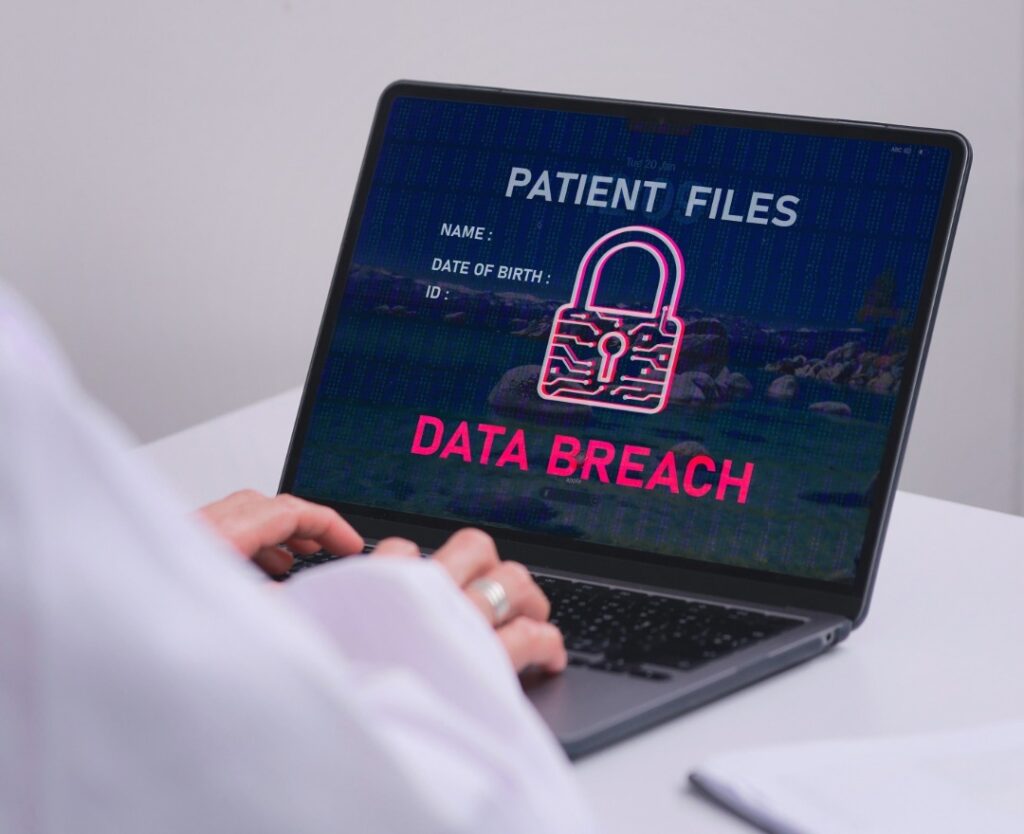
HIPAA compliance checklist for Cleveland healthcare providers. See what IT safeguards Ohio medical practices need to protect their patient data and avoid fines.
In This Article:
- What Standards Does HIPAA Require?
- What Are Common Compliance Gaps in Healthcare IT?
- How Does infinIT Help Healthcare Providers Maintain Compliance?
Your medical practice handles sensitive patient data every single day. Electronic health records, billing information, treatment notes, and personal medical histories flow through your systems constantly.
One HIPAA violation can be a disaster. It could cost your practice tens of thousands in fines, damage your reputation, and create legal headaches that distract from patient care. Unfortunately, many Northeast Ohio healthcare providers only discover they lack full compliance after it’s too late.
Proper HIPAA compliance keeps you free from expensive fines and protects patient trust. That means your practice can operate without regulatory concerns disrupting your mission to provide quality healthcare.
Let’s explore how to set your organization up for success.
What Standards Does HIPAA Require?
HIPAA compliance involves specific technical safeguards that protect electronic protected health information throughout your entire IT infrastructure. Access controls make sure only authorized personnel can view patient records. Unique user credentials and automatic logoff features prevent unauthorized access when workstations are unattended.
Encryption protects data both at rest and in transit, so that even if devices get lost or stolen, patient information remains secure and unreadable without proper authorization. Audit controls track who accesses what information and when. This creates accountability and enables investigation if suspicious activity occurs.
Regular risk assessments identify vulnerabilities in your systems before they become compliance violations or security breaches. These assessments examine everything from physical security of servers to employee password practices.
It’s important to understand all these requirements if you want to explain why HIPAA compliance requires more than just the installation of antivirus software.
The IT Checklist Healthcare Providers Need
Here are some practical steps you can take for maintaining compliance:
Establish Access Management
Access management starts with implementing role-based permissions that limit data access to what each employee needs for their specific job functions. Your billing staff doesn’t need access to clinical notes, and front desk personnel don’t require full medical record access.
Encrypt Devices and Communications
Encryption must cover all devices that store or transmit patient data. Devices could be laptops, tablets, smartphones, and portable storage technology used by your healthcare facilities. This protection extends to email communications containing patient information and backup systems storing health records.
Perform Regular Security Training
Regular security training educates staff about phishing attempts, password security, and proper handling of patient information. HIPAA violations frequently result from employee mistakes rather than sophisticated cyberattacks. This makes education highly important for maintaining compliance.
Document Policies and Procedures
Properly documented policies and procedures prove your compliance efforts to auditors. They also provide clear guidance for staff handling patient information. These documents must reflect actual practices though, not aspirational goals that nobody really follows from day to day.
Require Business Associate Agreements
Business associate agreements make sure that anyone who accesses your systems also maintains HIPAA compliance. Your Cleveland-area IT service providers, cloud storage vendors, and any other partners handling patient data must sign these agreements. It needs to be absolutely clear they all have accepted responsibility for the protection of confidential information.
Create Incident Response Plans
Incident response plans outline exactly what happens when security events occur, so rapid response is carried out to minimize damages and meet all notification requirements.
What Are Common Compliance Gaps in Healthcare IT?
Many Northeast Ohio healthcare providers assume that purchasing HIPAA-compliant software automatically makes their practice compliant. Software is only one important component though. Comprehensive compliance includes policies, training, physical security, and extended monitoring.
Outdated equipment creates vulnerabilities when older systems can’t support modern security features or receive manufacturer updates. Your medical office might run perfectly on older computers. If they can’t be properly secured though, they create compliance risks.
Insufficient documentation becomes problematic during audits when you can’t prove compliance efforts or demonstrate that policies are followed consistently.
Further, a lack of regular security assessments means vulnerabilities go undetected until they’re exploited. HIPAA requires ongoing evaluation, not just a one-time setup.
How Does infinIT Help Healthcare Providers Maintain Compliance?
At infinIT, we provide the managed IT Cleveland healthcare organizations rely on to maintain HIPAA compliance (without requiring internal IT expertise). Our team covers technical safeguards, documentation support, and ongoing monitoring that catches compliance issues before they become violations.
Regular compliance assessments identify gaps in your current setup and provide clear remediation plans. We help implement necessary security measures while checking to make sure systems remain user-friendly for your staff as they provide patient care.
We also work to train and educate your team about HIPAA requirements in practical terms they can apply daily. We explain why compliance matters. We also show everyone how to handle patient information properly without creating operational bottlenecks.
Our documentation support includes creating required policies, procedures, and business associate agreements that meet regulatory standards. We do this all while working to reflect your unique practice operations.
Our Cleveland-based team understands Northeast Ohio healthcare environments and provides rapid response when compliance concerns arise. We help practices focus on patient care while we handle the technical complexity of maintaining compliance.
Complying with HIPAA requires the continual attention and expertise that many healthcare practices can’t maintain internally. Working with experienced IT support providers allows your practice to meet regulatory requirements while protecting patient trust and avoiding costly violations.
TL;DR: HIPAA Compliance for Healthcare
HIPAA compliance violations cost tens of thousands in fines while damaging patient trust and creating regulatory headaches.
What does HIPAA actually require?
- Access controls with unique credentials and automatic logoff
- Encryption for data at rest and in transit
- Audit controls tracking who accesses information
- Regular risk assessments identifying vulnerabilities
→ Common compliance gaps healthcare practices face:
- Assuming HIPAA-compliant software = complete compliance
- Outdated equipment that can’t support modern security
- Insufficient documentation for audit proof
- Lack of regular security assessments
→ Essential IT checklist items:
- Role-based access management limiting data to job functions
- Encryption on all devices storing patient information
- Regular staff security training on phishing and data handling
- Documented policies reflecting actual practice operations
- Business associate agreements with all vendors
- Incident response plans for security events